
Counselling for Trauma
Experiencing trauma can affect how you feel in your body, your emotions, and your sense of safety in everyday life. You may find yourself feeling on edge, disconnected, or overwhelmed, even long after the experience itself. Therapy offers a supportive space to gently understand these responses and begin rebuilding a sense of stability and safety at your own pace.
- Understand your trauma responses and how they developed
- Learn grounding skills and emotional regulation strategies
- Reconnect with your body and rebuild a sense of safety
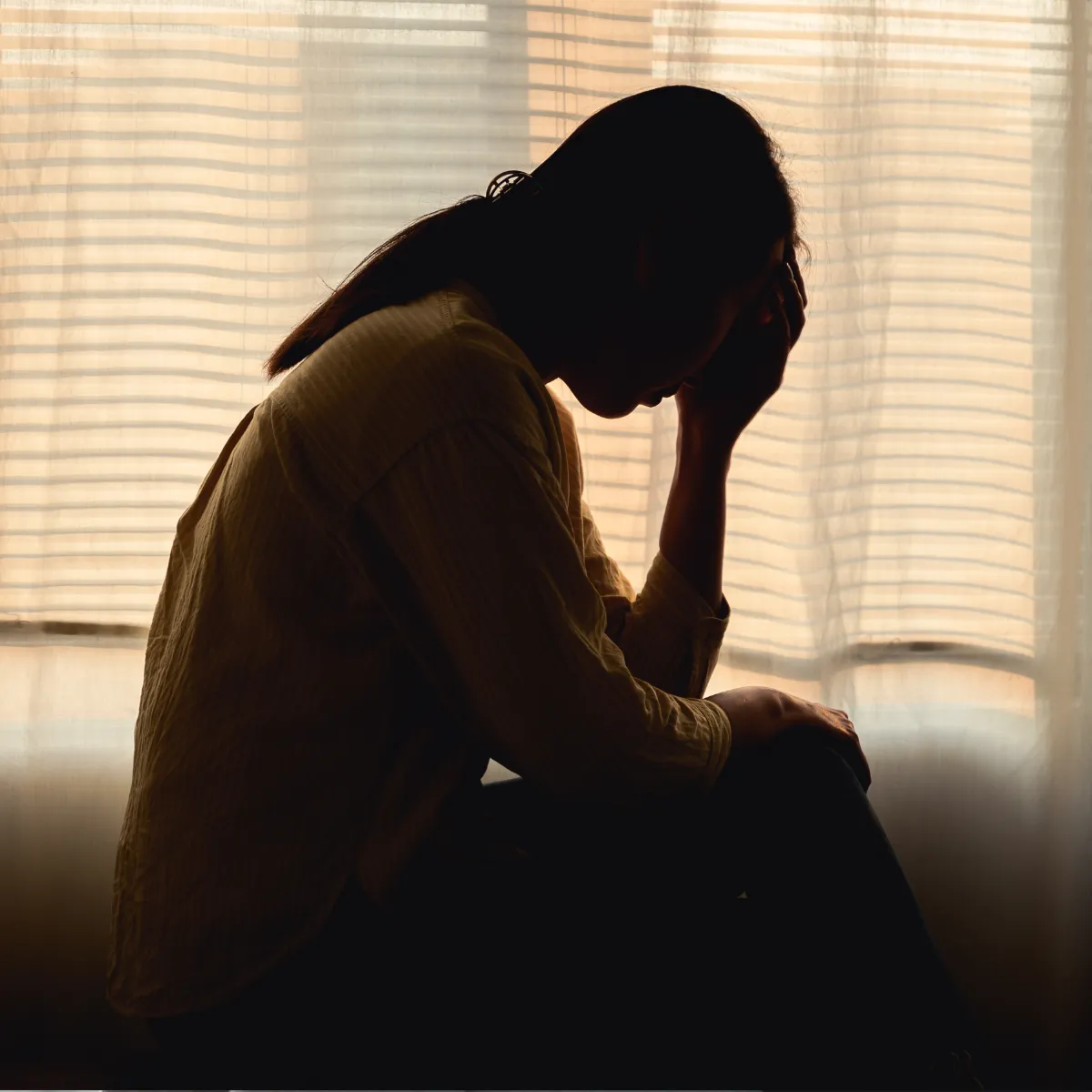
What is trauma?
Trauma refers to experiences that overwhelm your capacity to cope or process what is happening at the time. These experiences can affect the nervous system in ways that leave emotional, physical, or psychological impacts long after the event has passed. Trauma is not defined only by what happened, but by how your body and mind responded and what they needed in that moment.
Not everyone who experiences trauma develops post-traumatic stress disorder (PTSD). Many people experience short-term stress responses after distressing events, which may gradually settle over time. PTSD is only diagnosed when symptoms persist over time, significantly impact daily functioning, and cause ongoing distress.
How therapy can help with trauma
Healing from trauma does not have to be something you navigate alone. Our approach to trauma-informed care is grounded in safety, compassion, and respect for your lived experience. We work at a pace that feels manageable for you, supporting you in processing what you have been through without overwhelm, while rebuilding a sense of stability and trust in yourself.

Eye Movement Desensitisation and Reprocessing (EMDR)
EMDR helps process distressing or traumatic memories so they feel less overwhelming and emotionally charged, supporting your brain in reprocessing experiences in a safer, more manageable way.

Somatic Therapy
Somatic therapy helps you tune into and regulate how stress and emotion are held in the body, using techniques like breathwork, grounding, and gentle movement to support a sense of calm and safety.

Internal Family Systems (IFS) / Parts Work
IFS helps you understand the different parts of yourself, including those that protect, criticise, or strive. It supports greater self-compassion and a more balanced, connected sense of self.

Cognitive Processing Therapy (CPT)
Cognitive Processing Therapy helps you identify and work with unhelpful beliefs that can develop after trauma, such as self-blame or guilt. It supports more balanced thinking and reduces the emotional impact of traumatic experiences.

Inclusive Support
We're committed to diversity, equity, and inclusion. We're allies of LGB2TQIA+ and BIPOC individuals, and support those who self-identify as women, non-binary or gender non-conforming.
Personalized Care
Your needs and experiences are unique to you. Our counsellors are trained in a wide range of therapeutic techniques to ensure you receive the effective, high quality support you deserve.

Qualified Professionals
Every counsellor on our team is a licensed professional with a masters-level education and extensive experience supporting the needs of women.
Find a counsellor who can support you with trauma
Get help from a counsellor experienced in supporting women navigating trauma and its effects.
View all counsellors
Each counsellor has their own unique skill set, experience and area of expertise.
- Master's level education
- Registered with a provincial body
- Extensive experience supporting women





Memberships & Certifications



Not sure who to book with?
Get matchedTypes of trauma
Trauma can arise in many different ways and is often described based on how and when it occurs. It is also highly subjective—two people can go through the same experience and be impacted very differently. Understanding the nature and source of your trauma can help validate your experience and support the process of healing and recovery.
Acute trauma is from a single overwhelming event, such as a car accident, crime, assault, a natural disaster, or the unexpected loss of a loved one. Feelings of distress may be intense, but they will often subside over time or with support.
Chronic trauma develops from repeated or ongoing harmful experiences, including long-term abuse, bullying, neglect, or domestic violence. The cumulative effects can have a significant impact on emotional and physical well-being.
Complex trauma results from prolonged exposure to unsafe or controlling environments, often beginning in childhood. It can shape a person’s sense of safety, identity, and relationships.
Developmental trauma or adverse childhood experiences involve early disruptions in caregiving or safety, such as neglect, loss, or family instability. These experiences can influence attachment, trust, and emotional regulation well into adulthood.

Why women can be more affected by trauma-related stress
Trauma can impact anyone, but women, as well as transgender and gender-diverse people, may face increased exposure to certain types of stressors and harm. These can include gender-based violence, coercive or controlling relationships, discrimination, and the ongoing emotional demands of caregiving and responsibility.
Interpersonal trauma, such as sexual violence or intimate partner harm, also disproportionately affects women. In addition, hormonal and life-stage changes—such as pregnancy, postpartum, menstruation, and menopause—can influence how the nervous system responds to stress. Many of these experiences are underreported or misunderstood, leaving people to cope with the emotional and physiological impact without adequate support.
What’s on your mind?
Everything you need to know about our counselling services.
It’s less about the event and more about how your mind and body react. If you’re dealing with lingering fear, jumpiness, unwanted thoughts, or just feeling numb after something tough, that’s a sign trauma might be at play. Everyone’s response is different, and what feels traumatic to one person may not be for another. Your reaction is what matters.
No. Although trauma can come from an accident or assault, it can also be caused by ongoing stressors such as emotional abuse, neglect, caregiving pressures, or discrimination. Even experiences that seem normal from the outside can be traumatic if they push you past your limits.
Stress is a temporary response to pressure that often settles when circumstances change. Trauma occurs when stress exceeds your coping capacity, affecting your mind and body. PTSD is a specific clinical diagnosis that develops when trauma responses persist for more than a month and significantly interfere with daily life. Not all trauma leads to PTSD.
Yes. Sometimes you don’t notice the impact of trauma until something triggers old memories, or a big life change shakes things loose. It’s common for symptoms to show up much later, and that doesn’t make your experience any less valid.
There’s no set timeline. Some people start to feel better in a few weeks, others need months or even longer. Recovery doesn’t happen overnight — it’s a process, and consistent support can make a big difference.
Be patient, listen, validate their experiences, and let them know you believe them. Encourage them to reach out for professional help if they’re ready, but don’t push. Respect their boundaries. Just being there, offering empathy without judgment, can help more than you realize.
Yes. Getting help early can make a big difference. Therapy helps you process what happened, learn ways to cope, and lowers the chances of long-term problems like chronic stress or PTSD. Trauma can leave you feeling overwhelmed, disconnected, or unsure how to move forward, but you don’t have to carry it alone.
Take the first step toward healing from trauma






Trauma can affect many parts of your life
The effects of trauma can show up in your mood, relationships, sense of safety, and the way you respond to stress. Anxiety, depression, burnout, and other challenges can sometimes develop alongside unresolved trauma. Exploring these connected experiences can be an important part of healing.

Support for anxiety
Calm racing thoughts, ease the physical tension of worry, and build practical tools to feel steady and in control again.

Depression counselling
Lift the weight of low mood, rebuild energy and motivation, and rediscover a sense of hope and connection.

Stress counselling
Understand your unique stress triggers, build practical coping strategies, and restore balance to your daily life.
Additional support for safety and crisis situations
If you are currently experiencing family violence, coercive control, or feel unsafe in your relationship or home, there are confidential supports available outside of therapy. You are not alone, and you deserve to be safe. In urgent or high-risk situations, reaching out to a specialised support service can be an important first step toward safety and stability.
- VictimLinkBC and Battered Women’s Support Services offer support, crisis lines, and safe housing options for women and gender-diverse people experiencing violence.
- They can help you talk through your situation, explore safety planning, and connect you with local resources in your community.
If you are in immediate danger, call 9-1-1.